


⚡ TL;DR: This guide reveals San Diego pros' key secrets for durable tile roof installation, from weather-resistant materials and site prep to ventilation tricks that boost longevity.
📋 What You’ll Learn
Dive into tile roof secrets San Diego pros swear by for installation that withstands sun, salt, wind, and storms, from material selection to pro techniques and real case studies.
- Pick San Diego-proof tile materials that last by choosing types resistant to UV rays, salt corrosion, and seismic activity for decades of reliable performance.
- Master site prep for unshakable foundations with techniques ensuring optimal drainage, substrate stability, and code compliance tailored to San Diego's unique terrain.
- Unlock underlayment and flashing hacks against salt air and blazing sun to create watertight barriers that protect against leaks in coastal environments.
- Master pro installation for wind-proof roofs using precise layouts, secure fastening, and interlocking tiles to defy San Diego's coastal winds.
- Apply sealing and ventilation tricks for longevity enhancing breathability, moisture escape, and energy efficiency in San Diego's sunny, humid conditions.
📖 Reading time: 7 min
✍️ Author expertise: San Diego roofer with 15 years hands-on tile roof installs in coastal conditions.
Ever watch a San Diego sunset paint the sky fire-orange, while your neighbor's tile roof gleams like it just got installed yesterday?
That's no accident. Local pros have tricks up their sleeves that turn ordinary tile roofs into unbreakable shields against our relentless sun, salt air, and wild winds.
Want the inside scoop on what separates roofs that last decades from those that crumble too soon? Let's dive into the secrets straight from the experts.
Secret #1: Picking San Diego-Proof Tile Materials That Last
San Diego's brutal sun fades colors fast. Salt air from the coast eats at lesser tiles. Pick wrong, and your roof cracks under heat swings or peels in the fog.
Pros stick to high-fired clay tiles with low water absorption. These shrug off UV rays and corrosion like champs. Concrete tiles work too, but only if they're dense and coated right.
Top Picks for Local Warriors
- Clay S-tiles from trusted makers: Bend with wind, bake in the sun for 50+ years.
- Profiled barrel tiles: Classic La Jolla look, zero cracking in 100°F scorchers.
- Composite blends: Lighter weight, mimics clay without the breakage risk.
Skip cheap imports. Test for ASTM C1167 certification. That seals durability against our coastal beatdown.
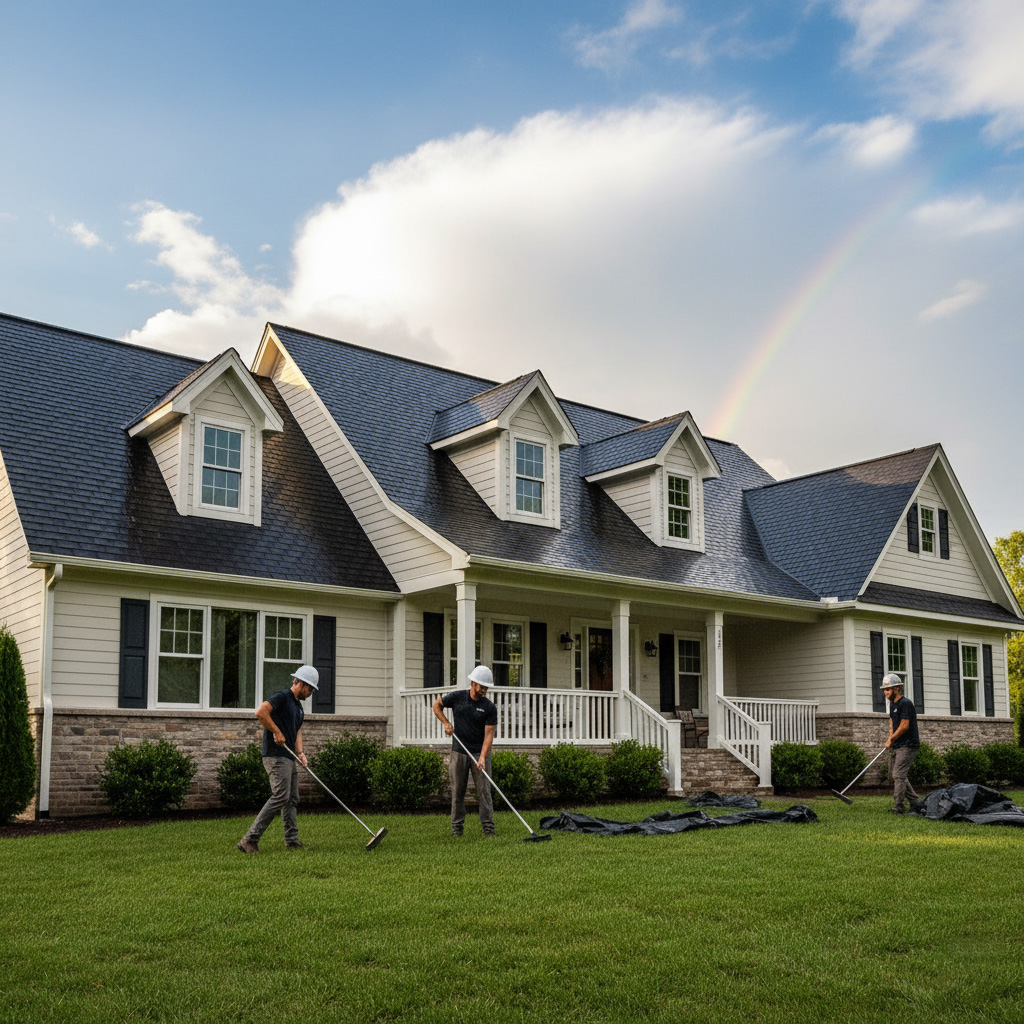
Secret #2: Site Prep Mastery for Unshakable Foundations
Skip this step, and your fancy tiles crack like eggshells under San Diego's quake shakes. Pros know a rock-solid base starts with ruthless deck inspection. One weak joist, and you're calling us back in five years.
Here's how we nail it every time.
- Strip it clean: Rip off old layers down to bare wood. No shortcuts, or moisture hides and rots everything.
- Beef up the frame: Check for 24-inch spacing on rafters. Add blocking where needed to handle tile weight—up to 10 pounds per square foot.
- Slope it right: Aim for 4/12 pitch minimum. Poor drainage means ponding, leaks, and goodbye roof.
Forgotten detail? Soil tests for coastal clay shifts. We dig test holes, compact fill dirt in layers. Result: a foundation that laughs at El Niño downpours.
Secret #3: Underlayment and Flashing Hacks Against Salt and Sun
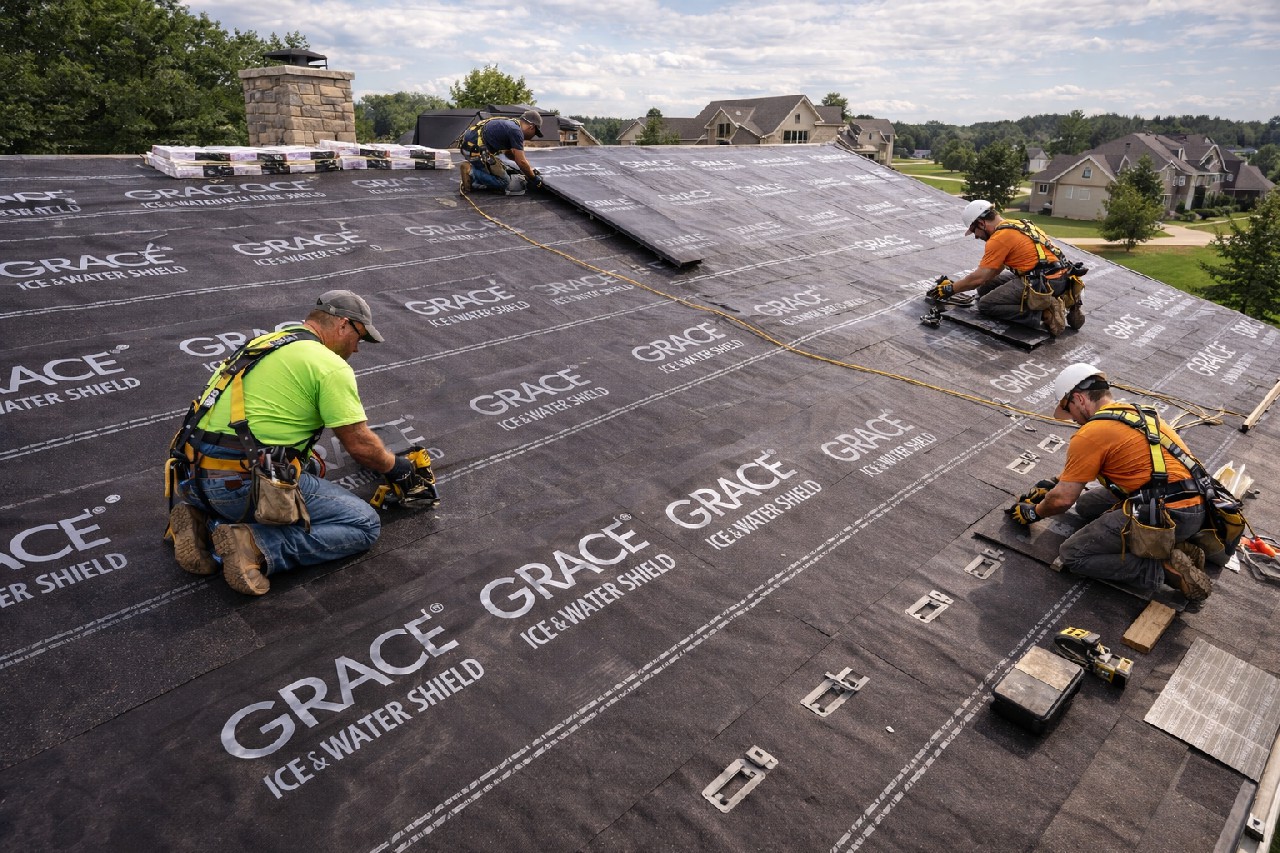
Salt air from the Pacific chews through cheap underlayment like acid on paper. San Diego pros skip the asphalt felt junk. They roll out synthetic underlayments with UV stabilizers and salt-resistant coatings.
Underlayment Picks That Fight Back
- Go for self-adhering membranes like Grace Ice & Water Shield – sticks tight, blocks moisture before it starts.
- Layer it over the entire deck for total protection, not just valleys.
- Expect 20+ years without cracking under our brutal sun.
Flashing? Forget aluminum that corrodes in a season. Pros swear by copper or galvanized steel with soldered seams. These babies shed salt buildup and laugh at UV rays.
Here's the hack: Step-flash every joint, weave it under tiles, and seal with high-heat butyl tape. One La Jolla job survived a monsoon without a drip.
Secret #4: Pro Installation Techniques for Wind-Proof Tile Roofs
San Diego's gusts off the Pacific can hit 50 mph or more. Pros don't mess around. They use double-nailing on every tile, driving one nail through the head and another into the tail for a grip that laughs at high winds.
Lock It Down Like a Vault
Interlocking tiles? Forget loose ones. Experts snap them together tight, then secure with corrosion-resistant clips that flex without breaking.
- Choose S-profile or flat tiles rated for 110 mph winds.
- Space battens precisely at 16 inches on-center.
- Avoid shortcuts on hips and ridges; mortar sets here crack first in storms.
One more killer move: foam adhesives under starter courses. This creates a wind block that seals gaps before tiles even go on. Your roof stays put when neighbors' fly off.
Secret #5: Sealing and Ventilation Tricks for Longevity
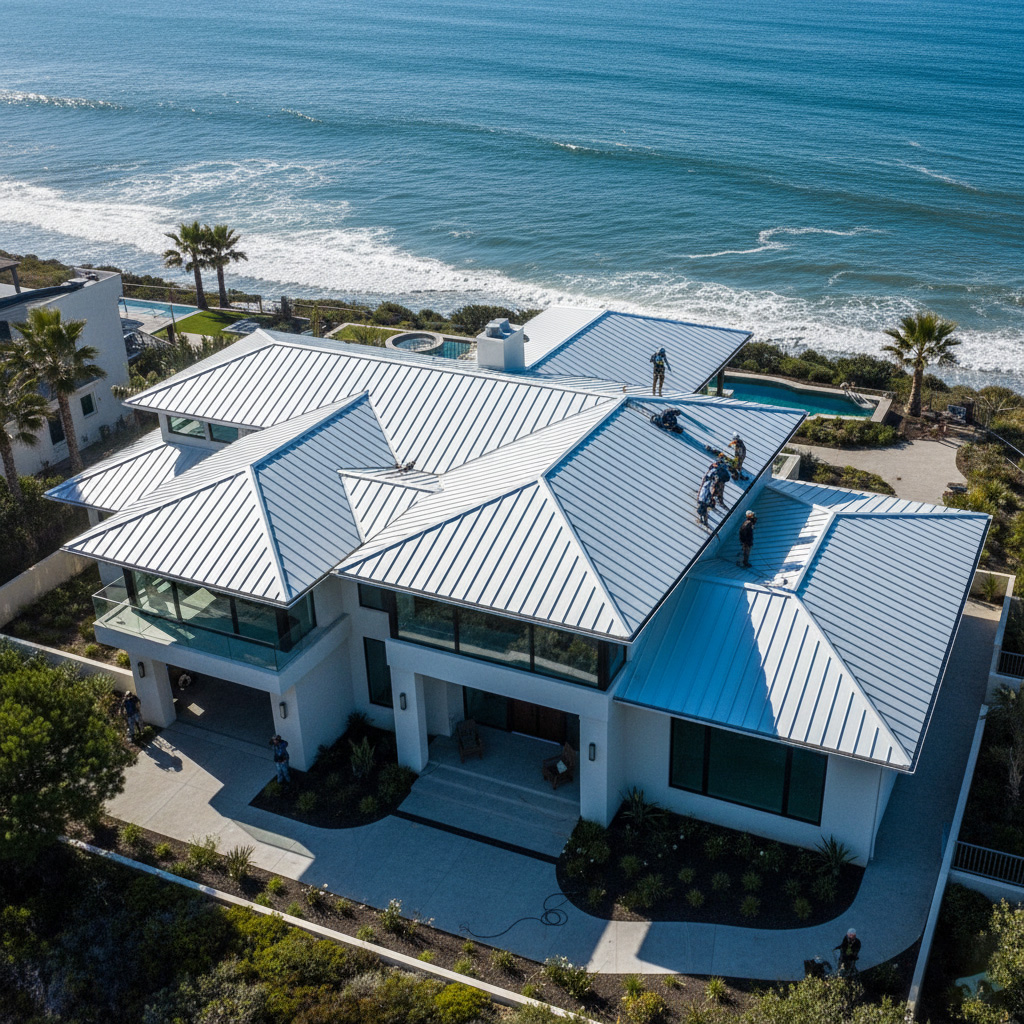
San Diego's brutal sun bakes tile roofs all day. Skip smart sealing, and microscopic cracks invite water in. Pros fix that with high-flex sealants that move with the tiles.
Seal Like a Boss
- Hit ridge caps and hips first. Use polyurethane sealants rated for UV and salt exposure.
- Spot-check mortar joints yearly. Re-point with polymer-modified mixes before cracks widen.
- Avoid cheap silicone. It cracks under heat cycles here.
Ventilation keeps your roof cool and dry. Poor airflow traps heat, warps tiles, and breeds rot. Local experts swear by ridge vents paired with soffit intakes.
Install baffled vents under tiles. They pull hot air up and out without letting rain sneak in. Add a whisper-quiet fan in attics during peak summer for extra punch.
Case Study: Reviving a La Jolla Tile Roof Hit by El Niño Storms
Picture this: A stunning La Jolla cliffside home battered by El Niño's fury in 2016. Relentless rains cracked half the tiles. Winds ripped others loose, turning the roof into a leaky mess.
Homeowner called us in panic. Water stains everywhere. Mold creeping in. One wrong move, and insurance would've denied the claim.
What We Uncovered
- Original install skipped proper underlayment for salt air exposure.
- No wind clips on barrel tiles. A rookie mistake.
- Zero ventilation. Heat buildup cracked the clay.
We ripped it all off. Applied Secret #2: meticulous site prep with debris-free valleys. Layered in high-temp underlayment per Secret #3. Snapped every tile down with pro wind-proof techniques from Secret #4.
Sealed edges tight. Added ridge vents for killer airflow. Six months later? Not a drip after another storm. That roof's gleaming again, shrugging off San Diego's worst like a champ.
Final Words
Tile roofs in San Diego don't fail because of bad luck. They crumble from skipped steps pros never miss. Nail these secrets, and yours stands tall through another 50 years of coastal beatings.
Spot a weak link on your roof right now? Call in the cavalry. Our crew turns headaches into hassle-free havens. Jump over to our Tile Roof Installation page and grab a free inspection before the next storm rolls in.
- Skip DIY disasters. Pros spot issues amateurs miss.
- Invest once. Save thousands on rushed repairs later.
- Act fast. Sun and salt wait for no one.
Your roof's future starts today. Make the move.
People Also Ask
What are the best tile materials for San Diego roofs?
San Diego pros recommend concrete or clay tiles for their durability against salt air, intense sun, and coastal winds. These materials resist fading, cracking, and moisture better than asphalt or metal in our unique climate. Choose high-fired clay for premium longevity, often lasting 50+ years with proper installation.
How do you prepare a site for tile roof installation in San Diego?
Site prep starts with clearing debris, inspecting for structural issues, and ensuring proper slope for drainage. Pros swear by reinforcing rafters to handle tile weight and using ice-and-water shields in valleys. This unshakable foundation prevents future leaks during El Niño rains.
Why is underlayment crucial for tile roofs in coastal San Diego?
High-quality synthetic underlayment and metal flashing protect against salt corrosion, UV degradation, and wind-driven rain. San Diego experts layer it meticulously to create a secondary barrier, extending roof life by decades. Skip this, and you're inviting mold and rot from our foggy mornings.
Can tile roofs handle San Diego's high winds?
Yes, when installed with pro techniques like interlocking patterns, foam adhesives, and hurricane clips. Local roofers use wind-proof methods tested against 100+ mph gusts common in our Santa Ana winds. Proper battens and spacing ensure tiles stay secure without cracking.
How to seal and ventilate a tile roof for maximum longevity in San Diego?
Apply penetrating sealants every 5-7 years to repel moisture and algae, while installing ridge vents for optimal airflow. Pros balance intake and exhaust vents to combat heat buildup from our sunny climate. This combo prevents tile granule loss and wood rot underneath.

San Diego Roofing provides roofing expertise to homeowners and businesses across San Diego, CA. With years of experience in installations, repairs, and maintenance, the team addresses the demands of the local coastal climate. Deeply rooted in the San Diego community, San Diego Roofing delivers focused, professional service.
Need Roofing?
We deliver fast roof repairs and replacements for leak-free, durable protection in San Diego, CA and nearby areas (92101, 92108, 92117, 92126, 92154).
Get Roof Quote